
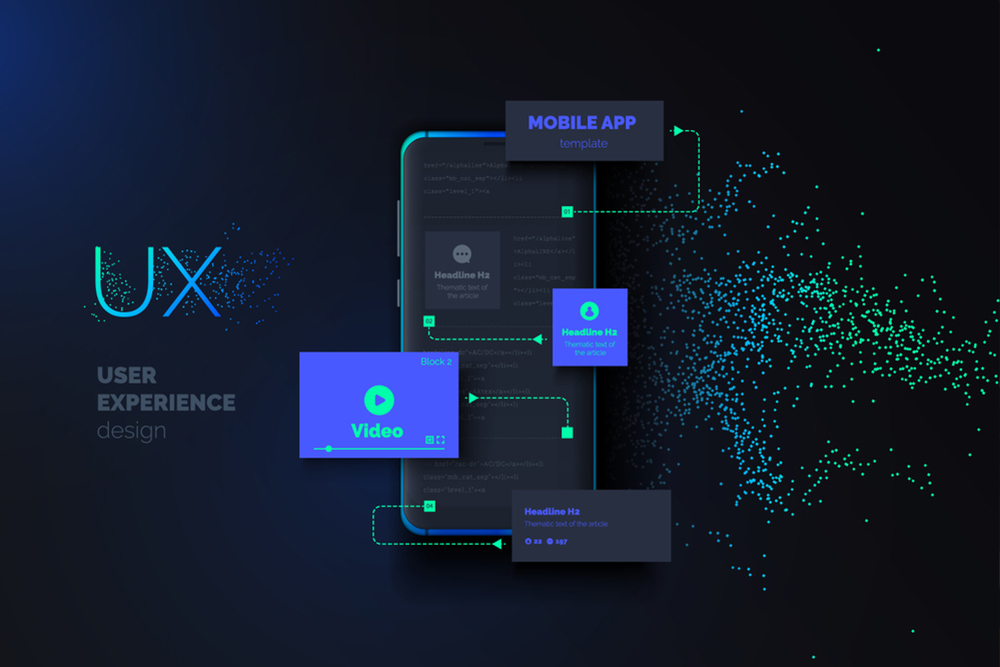
In a constantly evolving digital landscape, UX design is not just about functionality — it’s about creating memorable experiences. Some of today’s trendiest UX design concepts not only make interfaces visually appealing but also emotionally resonant and deeply engaging. Below are six key design trends that are shaping modern digital products — and how you can incorporate them into your app.
Glassmorphism
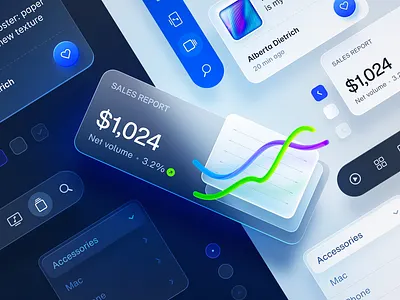
Glassmorphism is characterized by frosted-glass effects, soft transparency, and blurred backgrounds. It creates depth and layering without overwhelming the interface, giving designs a sleek, modern feel. Designers use this style to draw attention to important UI elements while maintaining a clean look.
Use case: Floating cards, modals, or navigation panels with a subtle translucent effect feel premium and sophisticated.
Immersive 3D Elements
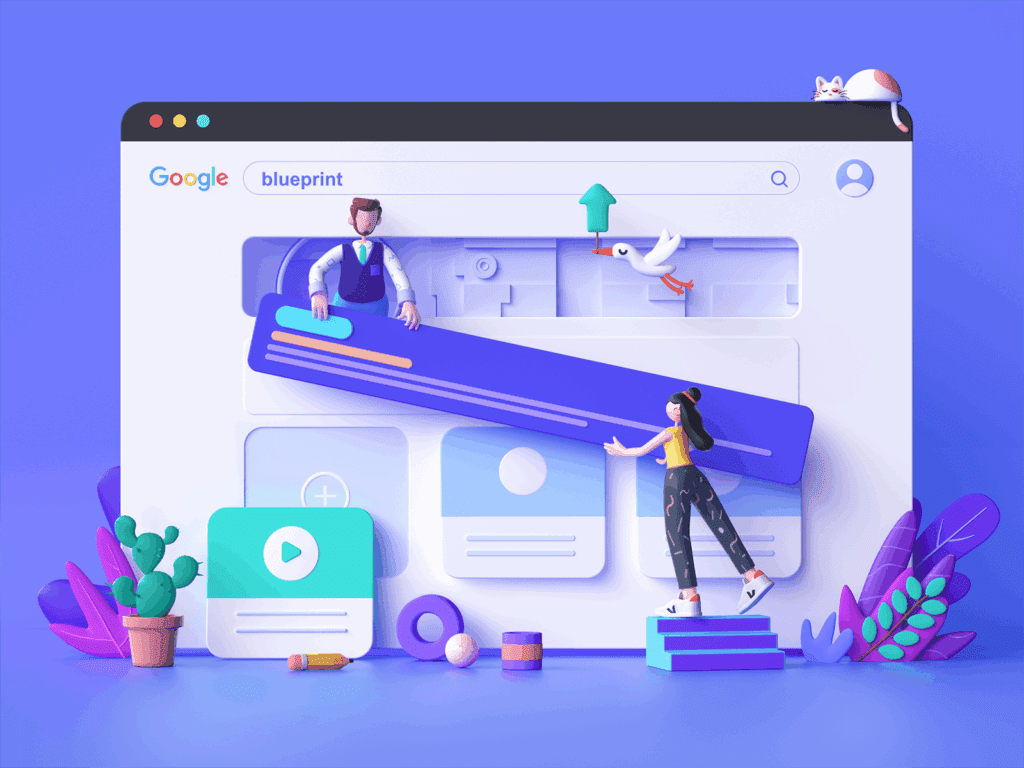
With advances in web graphics (like WebGL) and powerful mobile hardware, 3D visuals are making a strong comeback in UX design. These elements bring real-world depth, interactive rotations, and spatial storytelling into digital interfaces.
Use case: Product pages with 360° views, interactive 3D models, or AR/VR-powered UIs that let users explore content in a more tangible way.
Emotionally Intelligent Design
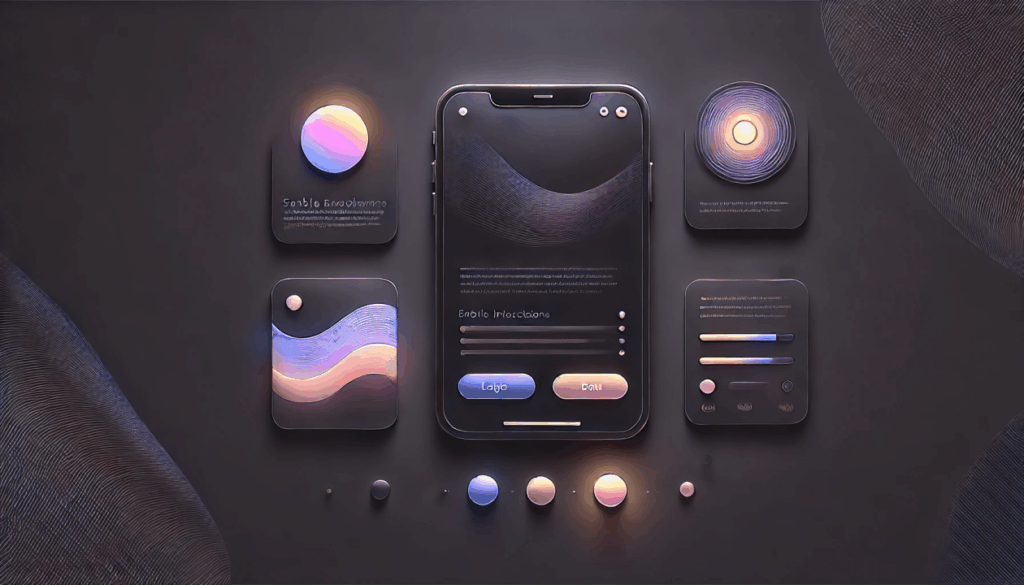
This concept focuses on designing interfaces that respond to user emotions. Emotional UIs may adapt based on context — for example, calming visuals or feedback when a user is frustrated — to create a more empathetic and human-centric experience.
Use case: Meditation apps, mental health platforms, or personalized dashboards that change tone or layout based on user behavior.
Animated Elements & Micro-Interactions
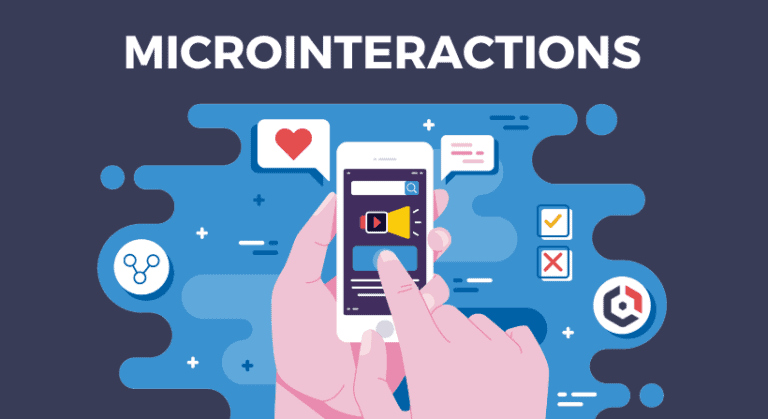
Animations are no longer just decorative — they guide users, provide feedback, and add personality. Subtle micro-interactions (e.g., button hover, loading spinners, scroll-triggered animations) enrich the experience and make the interface feel alive.
Use case: When a user clicks a button, small animations confirm the action; or scrolling triggers animated storytelling.
Mobile-Friendly / Responsive Designs
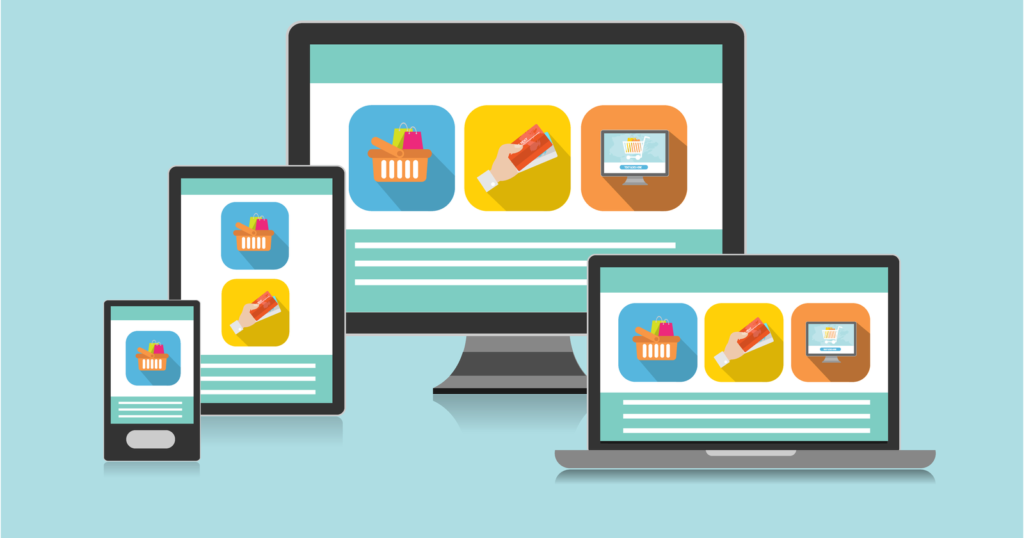
Mobile-first is no longer enough — modern UX demands fully responsive and adaptable interfaces that work seamlessly across devices (phone, tablet, desktop).
Use case: Flexible layouts, responsive grids, and scalable 3D or animated elements that adjust to different screen sizes without breaking UX.
Intelligent 3D + UI Convergence (Hybrid Trend)
A rising trend is combining immersive 3D with emotionally aware micro-interactions, creating fluid, living interfaces. These designs often use 3D shapes, soft glass effects, and reactive animations that adapt to user interactions.
Use case: An onboarding screen in 3D where UI elements softly morph in response to how the user navigates or pauses, creating an intuitive and emotionally rich experience.
Conclusion
These modern UX trendy design concepts are not just about making things look cool — they’re about building deeper connections with users. By integrating glassmorphism, 3D visuals, emotional design, micro-animations, and responsive layouts, you’re not simply designing an interface — you’re crafting an experience that feels alive, intuitive, and human